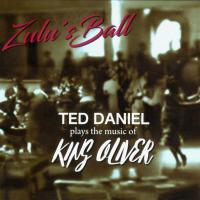
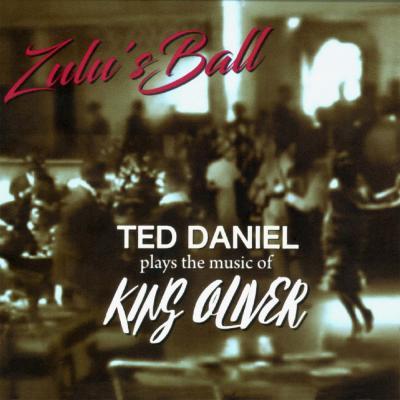
Zulu’s Ball
Ted Daniel plays the music of King Oliver
- Ted Daniel cornet
- Charles Burnham violin
- Marvin Sewell guitar
- Newman T. Baker percussion
- Joseph Daley tuba
Here Ted and cohorts give a modern reading to the music of cornet legend King Oliver. Ted plays cornet throughout the recording and emanates a mellow, passionate tone on all the compositions.
“Ted Daniel’s superb cornet playing is perfectly captured and sounds wonderful on each track. The other two front line players, Charlie Burnham and Marvin Sewell, also sound fine, playing with a subtle, poignant quality that fits perfectly within this modest quintet. There is something most charming about this music, laid back and quite lovely yet still somehow inventive.”
— Downtown Music Gallery
Recorded at Samurai Hotel Studio on December 17 and 18, 2015
Mastered at Blackler Mastering
Produced by Ted Daniel
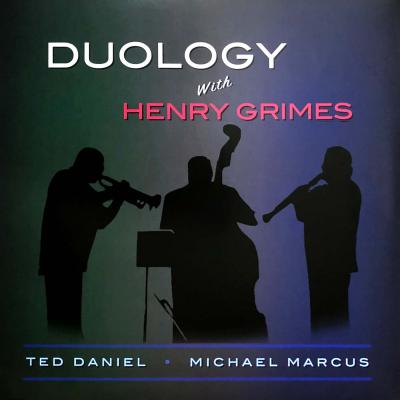
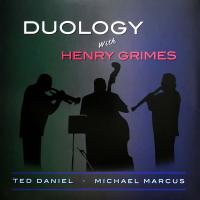
Duology with Henry Grimes
- Ted Daniel trumpet, French hunting horn
- Michael Marcus Bb and A clarinets
- Henry Grimes contra bass and violin
This recording is the fourth release by Duology, which was recorded at Columbia University in 2009. Ted Daniel and Michael Marcus have been performing together intermittently in various musical settings over the past 30 years; Duology is their latest performance ensemble. Adding the legendary bassist Henry Grimes gives this duo not just a bottom to the music, but a unique voice for which the trumpet and clarinet can interact both as a duo and individually. The music is daring, with harmonies and melody developed out of the instrumental interplay; also, plenty attention to dynamics. Compositions are varied in mood and intensity that draws on the music’s history. This performance gives the listener a wonderful experience of how sophisticated free jazz is in the hands of such experienced musicians.
Recorded at Columbia University, 2009
Recording supervision: Ben Young
Mastering by Kevin Blackler/Blackler Mastering
Produced by Ted Daniel
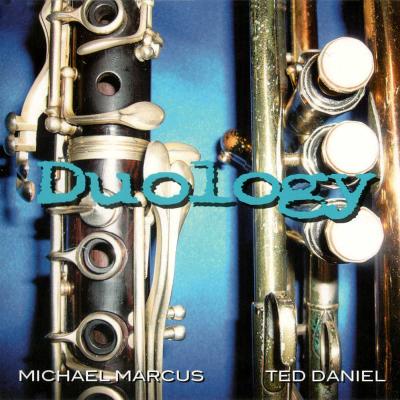
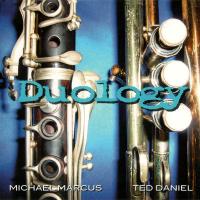
Duology
- Michael Marcus Bb clarinet
- Ted Daniel trumpet, flugelhorn, kha khai (Moroccan bugle), cornet
Duology was born after Ted Daniel and Michael Marcus's twenty years of collaboration working together in various groups, recordings and performances. It was tenor saxophonist Frank Lowe who first introduced them to each other. Through their regular practice sessions, they discovered a fresh voice of trumpet and clarinet and the idea of this duet evolved.
Recorded at Velvet Sound Recording in New York City, September 2006
Engineer: Joe Carter
Edited and Mastered by Eric Enjem
Produced by Michael Marcus and Ted Daniel
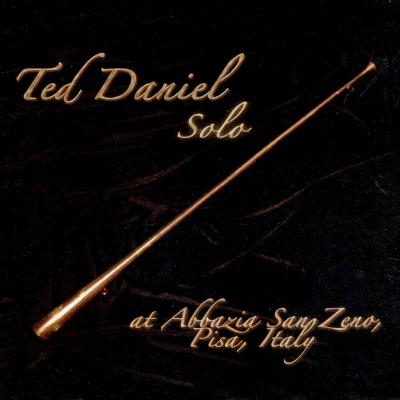
Solo at Abbrazia San Zeno, Pisa, Italy
- Ted Daniel trumpet, French hunting horn, kha khai (Moroccan bugle), flugelhorn with phase shifter and Conn multi-divider
This 45-minute live solo performance recorded in 1981 demonstrates Ted’s broad musical history. Through his selection of music material, both original and borrowed, he is able to share his original approach to playing these brass instruments. Aside from utilizing the timbres of the exotic instruments, i.e. the French hunting horn and the kha khai, Ted is completely comfortable utilizing the electronic attachments to his flugelhorn, something he had previously done in a rare duo recording with Andrew Cyrille. The joy heard in this solo improvisational performance is a direct reflection of the warmth and acceptance this artist felt from his audience. This is a special opportunity to hear an improvising artist performing unencumbered in the moment.
Recorded June 1981
Produced by Ted Daniel
Mastered by Kevin Blackler at Blackler Mastering
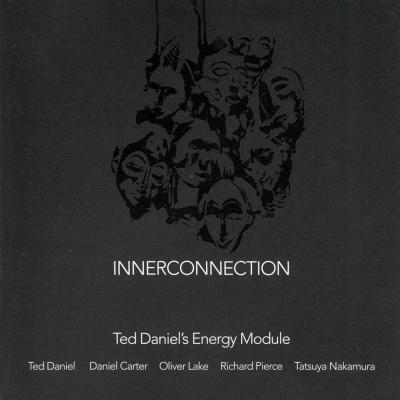
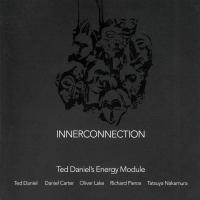
Innerconnection
- Ted Daniel trumpet, flugelhorn, French hunting horn, kha khai (Moroccan bugle)
- Daniel Carter tenor saxophone
- Oliver Lake alto and soprano saxophones, flute, piccolo, cow bell
- Richard Pierce bass
- Tatsuya Nakamura drums, quarter drums
Two CDs
Recorded at Sunrise Studio in New York City on November 8, 1975
Mastered by Arunas Zujus at MAMAstudios
Produced by Danas Mikailionis
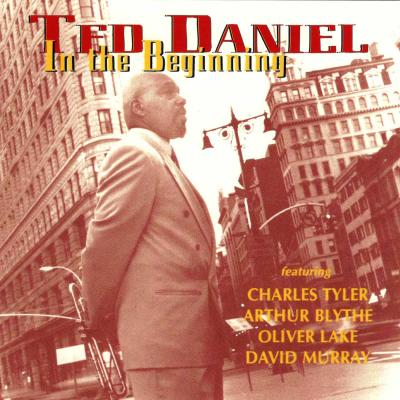
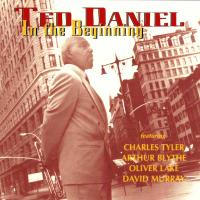
In the Beginning
- Hassan Dawkins soprano saxophone
- Arthur Blythe alto saxophone
- Oliver Lake alto saxophone
- Kappo Umezu alto saxophone, bass clarinet
- Danny Carter tenor saxophone
- David Murray tenor saxophone
- Charles Tyler baritone saxophone
- Richard Dunbar french horn
- Ahmed Abdullah trumpet
- Ted Daniel trumpet
- Charles Stephens trombone
- Melvin Smith guitar
- Richard Pierce contrabass
- Tatsuya Nakamura percussion, tubular drums
- Steve Reid trap drums
This recording is the first of four iterations of the large group Energy and it features the playing and compositions of Oliver Lake, Arthur Blythe and Charles Tyler as well as leader, Ted Daniel. The aforementioned featured artists have gone on to notable careers in music and this band was formed at the beginning of their careers in New York City. The intention of releasing this recording is to share some history of the New York City loft scene during the early to mid 1970s. It is for those listeners who are curious and truly interested in who was making this music, when and how it was being made. A must for true collectors.
Recorded at Studio We in New York City on April 12 and May 12, 1975
Recording engineer: Ollie Anderson
Remix engineer: Jon Bates
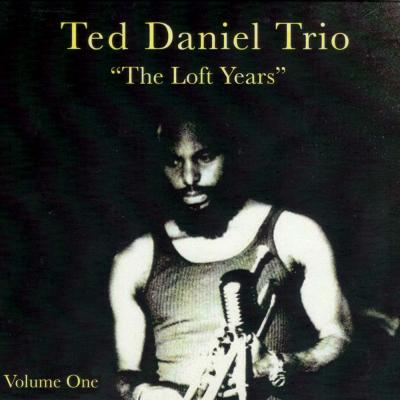
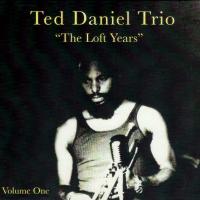
The Loft Years, Volume One
- Ted Daniel trumpet, flugelhorn, French hunting horn, tambourine, voice
- Richard Pierce bass
- Tatsuya Nakamura trap drums, quarter drums
In 1975, this fiery trio plays music dedicated to some of most well-known leaders of the new music — avant garde.
“Thanks to Ornette Coleman, Albert Ayler and Sunny Murray, leaders in their generation of musicians who continued the quest for new and innovative ways to create music. They are some of the giants who inspired me to express my improvisations without inhibitions and realize it was most important to develop my voice.” — Ted Daniel
Recorded at percussionist Mike Mahaffy's performance space, Sunrise Studio in New York City, September 28, 1975
Mastering engineer: Eric Enjem
Produced by Ted Daniel
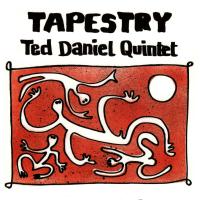
Tapestry
- Ted Daniel trumpet, flugelhorn
- Khan Jamal vibraphone
- Richard Daniel fender rhodes with Leslie speaker, wah-wah pedal and echo-plex
- Tim Ingles non-fretted electric bass with wah-wah pedal
- Jerome Cooper drums
Recorded at Ornette Coleman's Artist House on January 26, 1974
Produced by Noah Howard
Engineer: Serge Raoul
Originally released in 1974 by Sun Records
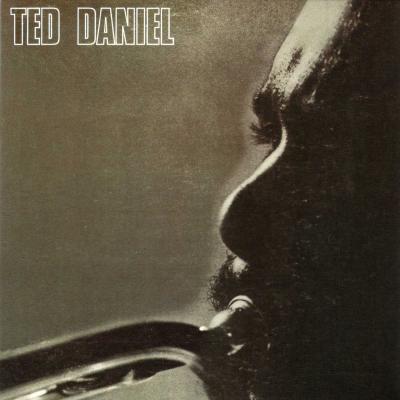
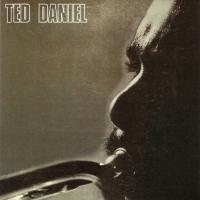
Ted Daniel
- Ted Daniel trumpet, flugelhorn, French hunting horn, kha khai (Moroccan bugle)
- Otis Harris alto saxophone
- Hakim Jami bass
- Richard Pierce bass
- Kenneth Hughes percussion
- Warren Benbow percussion
This was a live performance recorded at Columbia University’s St Paul’s Chapel in 1970. The CD is a reissue from the original LP on Ujamaa in 1972. The CD features three Ted Daniel original compositions and two of altoist Otis Harris — compositions which are not on the LP. The playing is bright and exciting by both the horn players with Daniel playing exceptionally passionately on Pagan Spain. The double trio has a rich acoustic sound with the two basses at times, dividing into one playing high and the other low sounds as if it is a bass and cello. This is a strong outing for the leader’s first recording effort.
Recorded at St. Paul's Chapel, Columbia University on Oct 15, 1971
Engineer: Mark Cyder
Remix and Edit: Eric Enjem
Produced by Ted Daniel